A sudden lockout in Orlando can flip a routine evening into an urgent problem, and a little preparation makes that scramble manageable. Here I break down how to find a trusted Orlando locksmith, what true emergency service looks like, and how to avoid common rip-offs. The recommendations reflect field knowledge, including realistic timelines, honest price ranges, and safety-first judgment calls.
What matters most when searching for a 24/7 locksmith in Orlando - quick checks you can do now.
Taking two minutes to verify your situation will help you and the arriving locksmith act efficiently. Is the door actually locked or just jammed? When there is damage or evidence of forced entry, document it with photos and consider a police report before repair work begins. Most professionals will ask for matching ID and proof of address to reduce the risk of fraudulent entry attempts.
Finding the right locksmith at 2 a.m. In Orlando - credentials that matter and common red flags.
A professional locksmith will be licensed or certified where local rules require that, and they will display credentials when asked. A working phone number that connects to a local dispatch and a branded vehicle are good signs of legitimacy. If a quote sounds too low, ask what the price covers and whether extras like after-hours or mileage will be added. Ask about insurance and warranty so you know who pays if a lock or door is damaged during service.
Typical response times and fees for emergency locksmiths in Orlando - practical expectations.
Peak times and holidays can push wait times toward an hour or more for a non-priority call. After-hours calls commonly incur an emergency surcharge, often a fixed add-on plus the hourly or flat labor rate. A common fee structure is a trip fee or service call charge plus labor and parts if needed. Simple non-destructive entry methods are cheaper, while lock replacement or rekeying involves parts and time that raise the final price.
How locksmiths avoid drilling when possible and when drilling becomes the sensible choice.
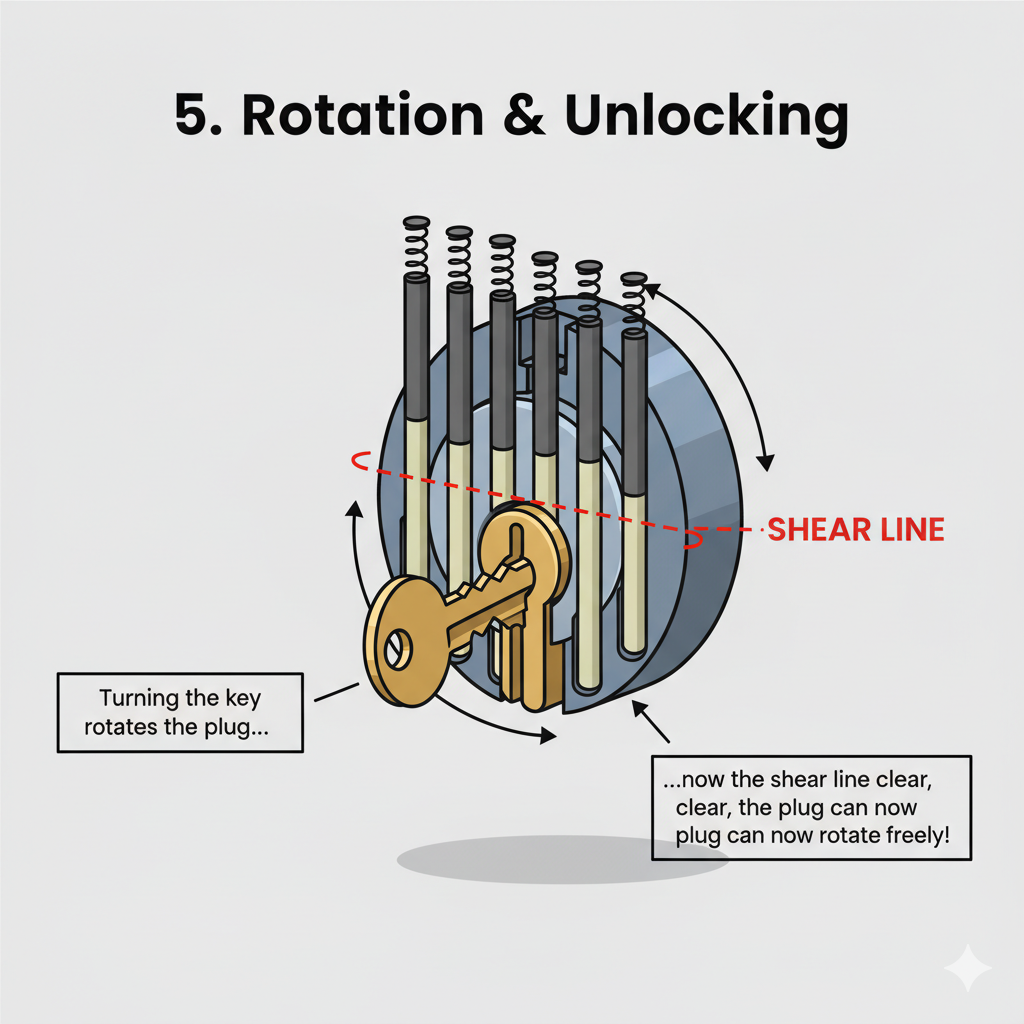
For many common pin-tumbler locks, skilled manipulation resolves the issue in minutes rather than hours. High-security locks or locks that are visibly damaged sometimes force a drill or destructive method to gain access. A transparent technician will discuss locking alternatives and give a clear price for the new hardware and installation. If you prefer to https://carkeyccoc478.bearsfanteamshop.com/emergency-lock-replacement-orlando preserve the existing hardware, request a quote for rekeying and a quote for replacement so you can weigh cost and security.
What to do between the lockout and the locksmith arrival - safety and practical steps.
Safety is the top priority, so remain visible, keep your phone charged, and stay near neighbors or public spaces when possible. If you feel unsafe at any time, call local authorities and do not allow anyone to force entry without proper ID and documentation. A legitimate tech expects these questions and will be happy to answer them; a refusal to provide written documentation is a red flag. If a locksmith recommends temporary measures to secure a damaged door until proper hardware arrives, follow those instructions rather than improvising.
When to involve law enforcement or your landlord - sensitive situations and protocols.
If you suspect criminal activity or see signs of forced entry, call law enforcement before contacting a locksmith. For tenants, many landlords have specific lockout policies that require notifying the property manager before a locksmith is called. This protects the technician legally and protects you from accusations of unlawful entry. A lawyer or local tenant advocacy group can often advise on the safest path for regaining access without creating further legal risk.
Cost-saving strategies and when to accept replacement versus repair.
When you have multiple locks with different keys, rekeying them to a single key can reduce future lockout hassles. Regular maintenance and lubrication every year or two prevents many common failures that lead to lockouts. Replacing worn components improves security and prevents repeated service calls, which add up over time. Ask about mid-range brands and the technician's experience with specific models before you choose hardware, because not all expensive locks deliver better field service.
Recognizing locksmith scams and aggressive sales tactics from the field.
If the arriving tech claims the price was only for "inspection" and cannot honor the original quote, do not proceed without a new written estimate. If you feel coerced, stop the work and call another vendor or the police if you suspect fraudulent behavior. Fake credentials are another trick; ask for ID and verify the company name and phone number match the dispatch information you were given. Documenting the visit protects you and helps small companies that act professionally to resolve any disputes.
Which security enhancements pay off after your locksmith visit and which are overkill.
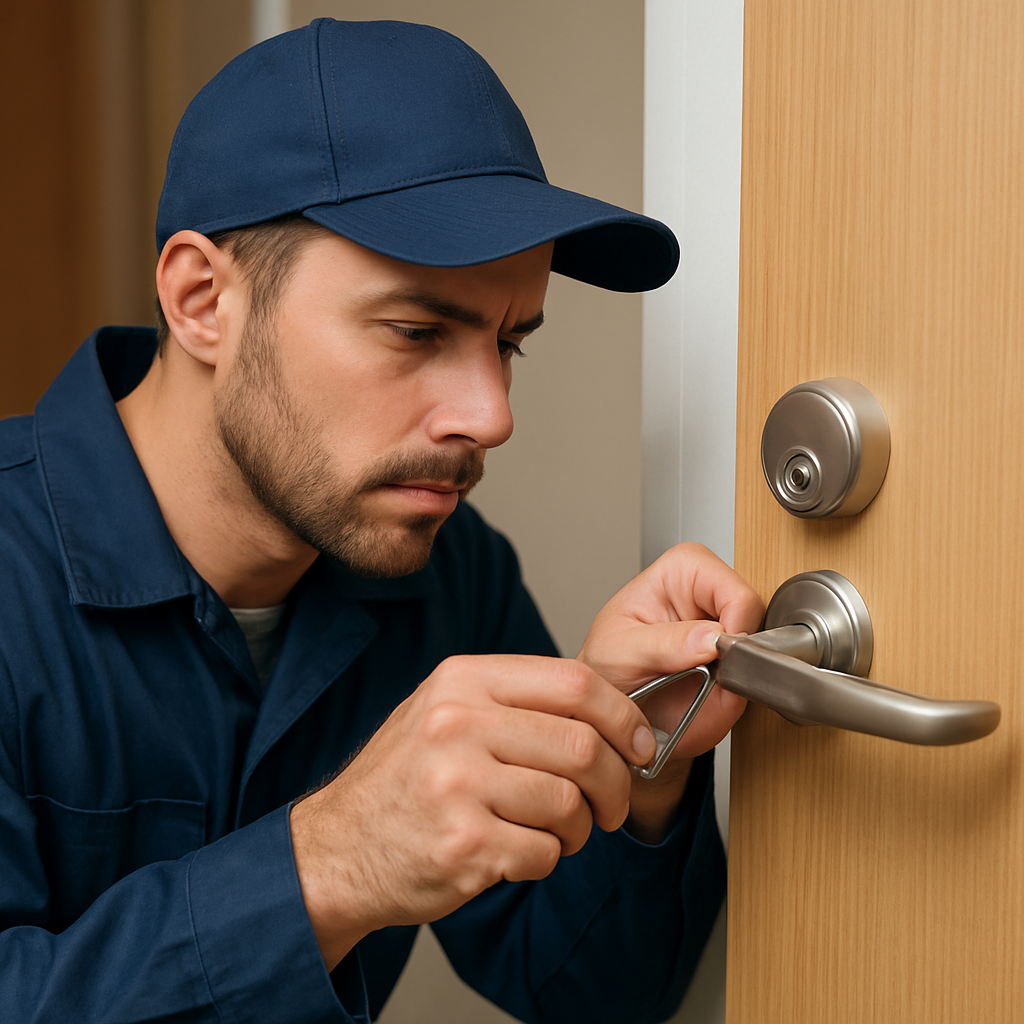
If your lockout exposed old keys floating in the neighborhood, rekeying every exterior lock is a simple and effective step. Keypads and smart locks can reduce emergency lockouts caused by misplaced keys, but they introduce battery and software considerations. Reinforcing the door frame and installing a longer screw for the strike plate is often the cheapest security upgrade with the greatest impact. Discuss the trade-offs with your locksmith and balance convenience against potential single-point-of-failure risks.
A last set of practical tips from experience and a condensed checklist for future lockouts.
Storing that contact avoids frantic searching when you need help late at night and prevents calling unvetted providers. Label a spare key and give it to a trusted neighbor or friend rather than leaving it under a mat; do not use predictable hiding spots. When you call a locksmith, ask for an arrival window, the technician's name, and whether they accept cards or cash so you are ready to pay. A little preparation turns a panic-filled hour into a manageable problem with a predictable outcome.
Preparedness and scrutiny separate stressful nights from costly mistakes, and a small checklist prevents common scams and surprises.